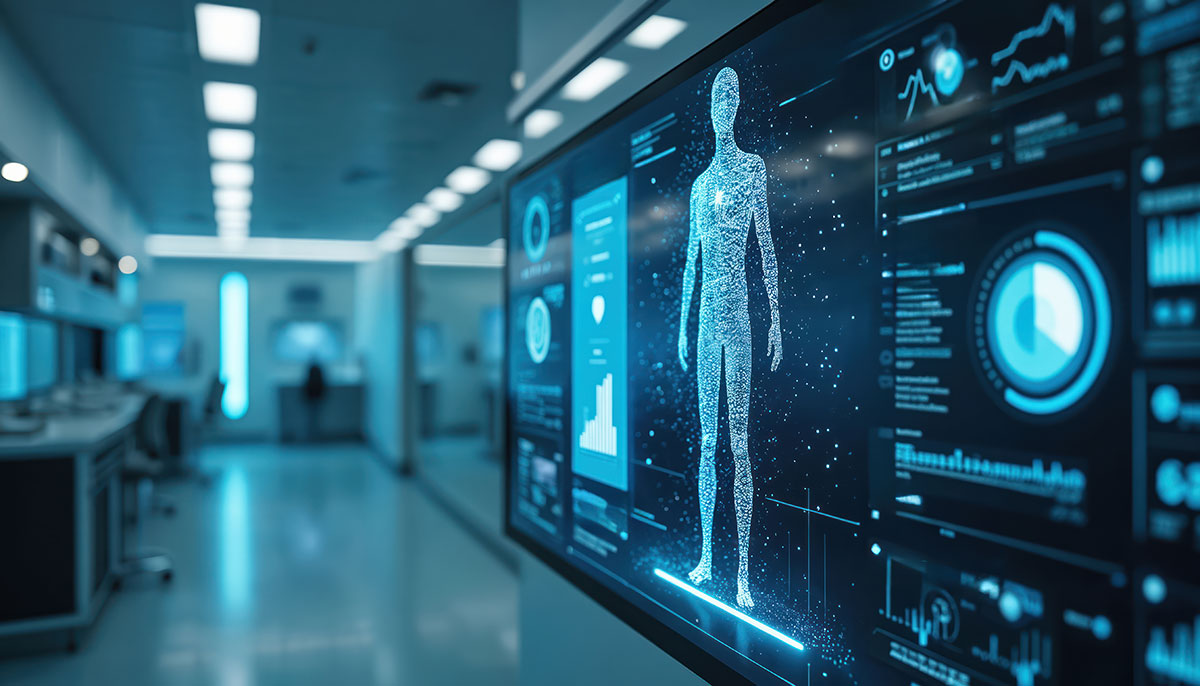
A New Era of Proactive Medicine
For most of modern history, healthcare has been reactive. We wait for symptoms. We respond to illness. We manage decline. While medicine has made extraordinary advances in treatment, the system itself is still largely built around intervention rather than prevention.
I believe we are entering a different era. Artificial intelligence and predictive intelligence are giving us the tools to identify risk earlier, act sooner, and improve patient outcomes in ways that were not possible even a decade ago. This shift from reactive to proactive medicine is one of the most important transformations happening in healthcare today.
Through my work at Intrivo Diagnostics, I have seen firsthand how access to timely data can empower individuals and organizations to make better decisions. When we combine diagnostics with intelligent systems, we create a powerful engine for early detection.
What Predictive Intelligence Really Means
AI in healthcare is often discussed in broad terms. Many people imagine complex algorithms operating in the background, but the real value comes from something much more practical.
Predictive intelligence means using data to identify patterns that humans alone would struggle to see. It analyzes large volumes of information, including test results, medical history, behavioral data, and population trends, to estimate risk before symptoms appear.
For example, instead of waiting for a patient to develop advanced heart disease, predictive systems can flag elevated risk based on subtle changes in biomarkers, lifestyle factors, or genetic indicators. That insight gives both patients and providers time to intervene earlier.
Early detection changes everything. It often means simpler treatments, lower costs, and better quality of life.
The Shift from Treatment to Prevention
Traditional healthcare models are built around episodes of care. A patient feels unwell, schedules an appointment, receives testing, and begins treatment. While this model works in acute situations, it does little to prevent chronic disease.
AI-driven predictive systems help shift the focus toward prevention. By continuously analyzing data from diagnostics and other health inputs, we can identify risk trajectories instead of waiting for critical events.
This approach is especially important for chronic conditions such as diabetes, cardiovascular disease, and certain cancers. Many of these conditions develop over years. Predictive intelligence gives us the ability to see warning signs early and act before irreversible damage occurs.
Prevention is not only better for patients. It is more sustainable for healthcare systems that are struggling under rising costs and increasing demand.
The Role of Diagnostics in Early Detection
Diagnostics are the foundation of predictive healthcare. Without reliable, accessible testing, AI has nothing meaningful to analyze.
That is why scalable diagnostic platforms matter so much. When testing becomes easier to access and more integrated into daily life, we generate the data needed to power intelligent systems. Diagnostics move from being occasional events to becoming part of a continuous feedback loop.
During the COVID-19 pandemic, we saw how rapid testing combined with data reporting could influence behavior and public health decisions in real time. That same infrastructure can be applied to broader health challenges.
When diagnostics and AI work together, they create a dynamic system. Tests provide data. AI interprets the data. Insights drive action. Action generates new data. Over time, outcomes improve.
Improving Patient Outcomes Through Earlier Action
The most important question is simple. Does this actually improve lives?
In many cases, the answer is yes. Early detection often leads to earlier treatment. Earlier treatment frequently results in better outcomes. Patients may require less invasive procedures. They may experience fewer complications. Recovery times can be shorter. Survival rates can improve.
There is also a psychological benefit. When individuals understand their health risks clearly and early, they are more likely to take ownership of their behavior. They may adjust their diet, increase exercise, or follow medical advice more closely. Clarity reduces fear and replaces it with informed action.
AI does not replace physicians. It supports them. By surfacing insights quickly and accurately, predictive systems allow providers to focus on what they do best, which is caring for patients.
Trust, Ethics, and Responsibility
With great capability comes great responsibility. Healthcare data is deeply personal. Predictive systems must be built with strong privacy protections, transparency, and ethical safeguards.
Trust is essential. Patients need to understand how their data is used and how predictions are generated. Clear communication builds confidence. Responsible governance ensures that AI tools are used to enhance care, not limit it.
I believe that technology must always be paired with humanity. Predictive intelligence should empower individuals, not reduce them to data points. The goal is not automation for its own sake. The goal is better health outcomes.
Looking Ahead
We are still early in this transformation. AI and predictive intelligence will continue to evolve. Data sources will expand. Algorithms will become more refined. Diagnostics will become more accessible and integrated into everyday life.
I see a future where routine health monitoring is seamless, where risk is identified years earlier than it is today, and where preventative care becomes the norm rather than the exception. In that future, hospitals are less crowded, chronic disease is better managed, and individuals feel more in control of their health.
Artificial intelligence is not a silver bullet. It is a tool. When used thoughtfully and responsibly, it has the power to shift healthcare from crisis response to continuous care.
Early detection is not just a technological advancement. It is a philosophical one. It reflects a belief that we can act sooner, intervene smarter, and build systems that prioritize long term wellbeing over short term fixes.
For me, that is the real promise of AI in healthcare. It is about building a world where better outcomes are not the exception, but the expectation.